Mikael Hjorth: From insight to action

This autumn has brought plenty of new evidence that industrial electrification is moving forward at an impressive pace. But it has also made one thing clear: technology alone will not determine the pace of the transition.
The technology is moving fast. Electric trucks are now operating commercially across all main segments, and megawatt charging is being demonstrated. But progress increasingly depends on what surrounds the technology: grid capacity, financing, business models, policy and demand.
At the same time, global competition is intensifying, with Chinese manufacturers competing on advanced technology, not just price.
This is why we focus on building demonstrators together with industry, addressing both the technology and the conditions needed to put it to work. By connecting the right partners around shared challenges, we turn insights into projects that can move electrification forward.
What we're seeing
Several events and reports this autumn reinforce the need to work across the whole electrification system.
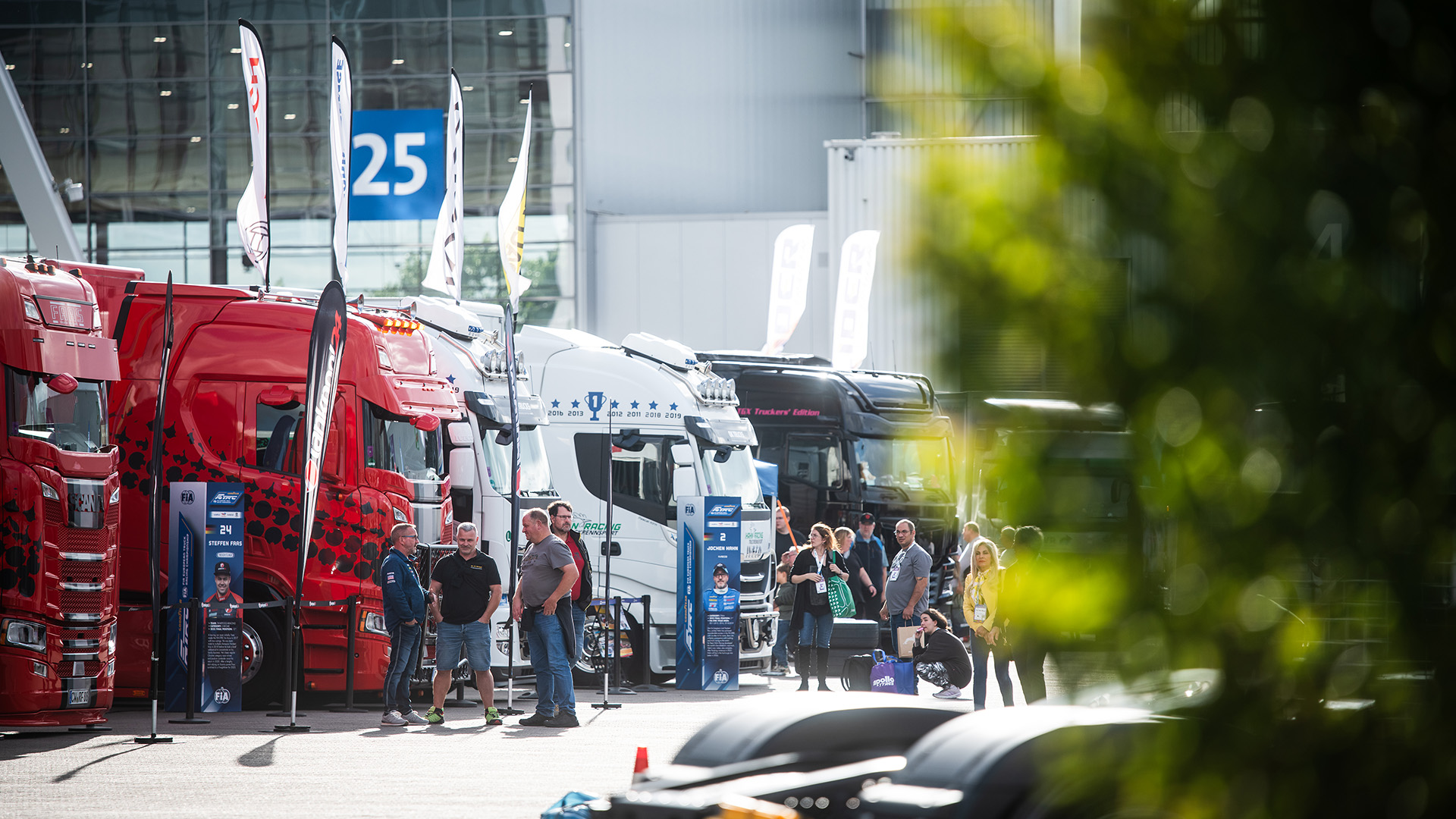
The vehicle is no longer the bottleneck. At IAA Transportation, manufacturers showed electric trucks with ranges of around 700 km or more, alongside megawatt charging. At Triple F's autumn conference, IVL confirmed that battery-electric trucks now work commercially across all main segments. The remaining challenges increasingly concern grid capacity, charging costs and business models.
Batteries need demand. At Upcell Västerås, Business Sweden highlighted Europe's challenge: it has attracted battery factories but does not own much of the capacity, and much of it remains unused. Emerging companies need customers willing to test and adopt their solutions. Demonstrators can help break the deadlock. We will explore these challenges further as we co-host Battery Innovation Days on 11–12 November, together with Business Sweden, Region Stockholm and other partners.
Competition has changed. Chinese manufacturers had a strong presence at IAA Transportation. A report from Industrins Ekonomiska Råd confirms that competition from China is increasingly about advanced technology, not just low costs. Europe must strengthen its capabilities across the value chain.
The rules are being rewritten. The EU is moving towards measures that stimulate demand, including proposed European content requirements. Regional test environments also feature in plans for the next long-term EU budget. We are working to position Mälardalen as one of them.
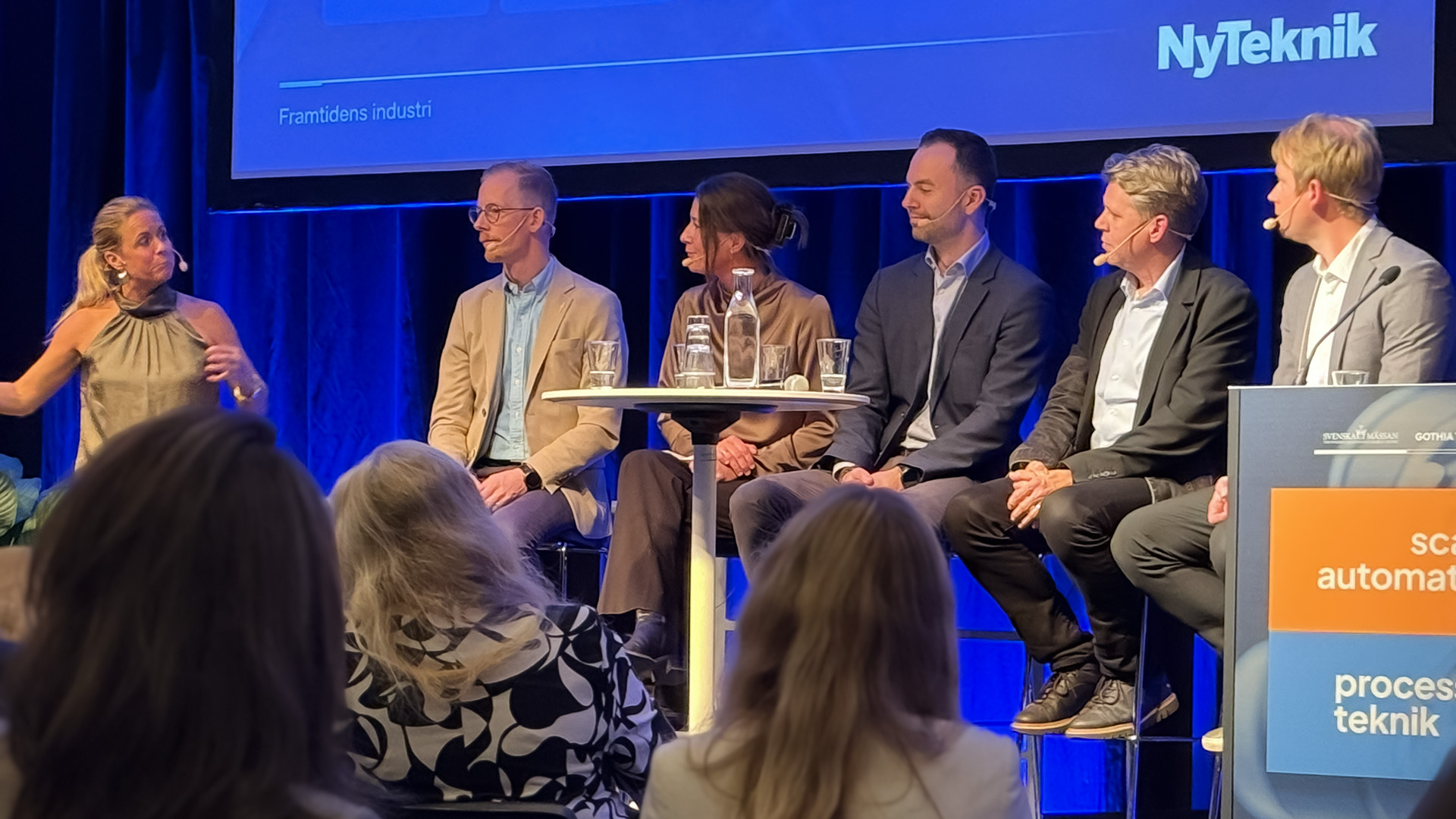
The time to act is now. This was also the message at Ny Teknik's Framtidens Industri conference. Turning today's technology into investments and deployment requires coordinated action across industry and the public sector.
What it takes to move forward
These observations confirm why we work the way we do. Electrification Hub brings together expertise in batteries, energy storage, charging, connectivity, cybersecurity and ai. But technology is only part of the equation. Financing, business models, policy and regulation must also be addressed if solutions are to move beyond testing.
We start with the needs of companies and industrial operators. Together, we define the challenge, bring in the right partners and develop demonstrators that address both technical performance and commercial viability. The goal is not simply to prove that something works, but to create the conditions for deployment and growth.
Mälardalen has a strong foundation, with industrial companies, research environments and opportunities to demonstrate solutions in operation. Our role is to connect these capabilities and turn them into funded projects.
The opportunity is here, but it will not wait indefinitely. If your organisation faces an electrification challenge or has a solution ready to test, I encourage you to get in touch. Let's explore what we can achieve together.
Mikael Hjorth
CEO, Electrification Hub